Business
The artist visa myth: seven countries that will let you stay, if you can prove it
A viral list says “cultural visas” are cheap, easy and lead nowhere. I checked seven real routes, from Paris to Seoul. Most lead somewhere, and none of them are easy.

I couldn’t get past the paywall on a Medium post that promised “7 Countries Offering Arts and Cultural Visas.” I got about four paragraphs in. That was enough to find the line that bothered me: these visas, it said, “will almost never lead to any kind of long-term residency or citizenship,” but they are cheaper and easier to get.
So I went and checked. I read immigration rules, fee tables and caseworker guidance for seven countries that actually have a route for painters, musicians, dancers and filmmakers. What I found was close to the opposite. Most of these routes can lead to permanent residency. Almost none of them are easy.
There is no such thing as a “cultural visa”
The phrase sounds like a single passport stamp for creative people. It isn’t. It’s a nickname for at least three different systems that reward completely different things.
Some are talent visas, which reward reputation: France’s Passeport Talent and the UK’s Global Talent route. Some are freelance permits with an arts test bolted on, which reward income and clients: Germany and the Netherlands. The rest are work visas tied to a specific job or sponsor, which reward a contract: Japan, South Korea and the United States.
That difference decides who gets in. A painter with a gallery show and no buyers fits a very different box than a session drummer with three months of club bookings.
The European doors are open, with a meter running
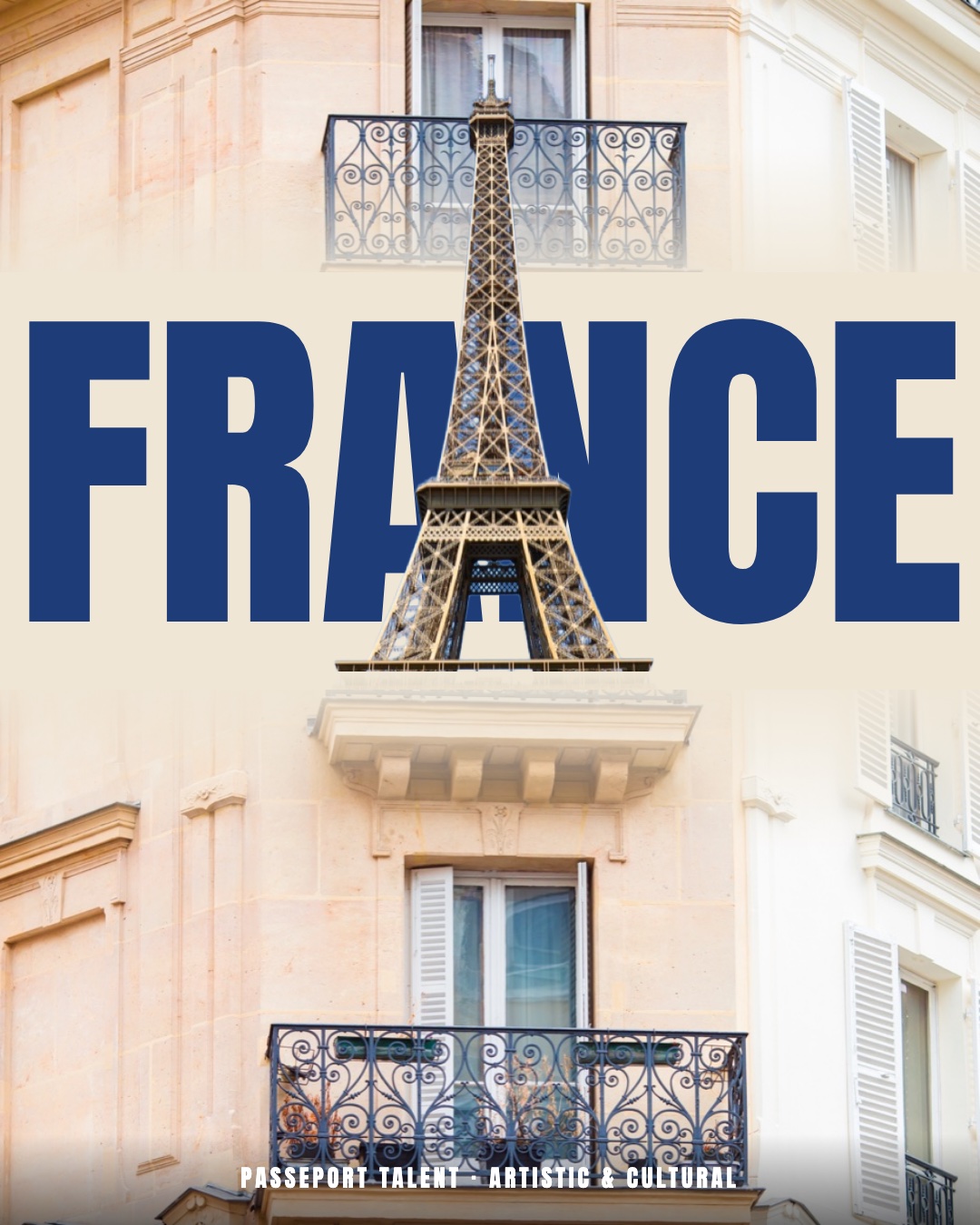
France has the cleanest route on paper. The carte de séjour pluriannuelle “talent – profession artistique et culturelle” lets you work as an artist in France, employed or self-employed. The catch is money: you have to show income of at least 70% of the French minimum wage from your art, plus a portfolio. It runs up to four years, can be renewed, and the time counts toward long-term residency. That is a path, not a dead end.

Germany is the one everyone calls the “Berlin artist visa,” and it technically doesn’t exist. Touring Artists, a German information portal for the arts sector, is blunt about it: German immigration law has no dedicated artist visa. What artists use is the general freelance residence permit. You show you have clients or contracts in Germany and can support yourself. Citizens of the US, UK, Canada, Australia, Japan, South Korea and a few others can even enter visa-free and apply locally. Keep renewing and it can lead to a permanent settlement permit.
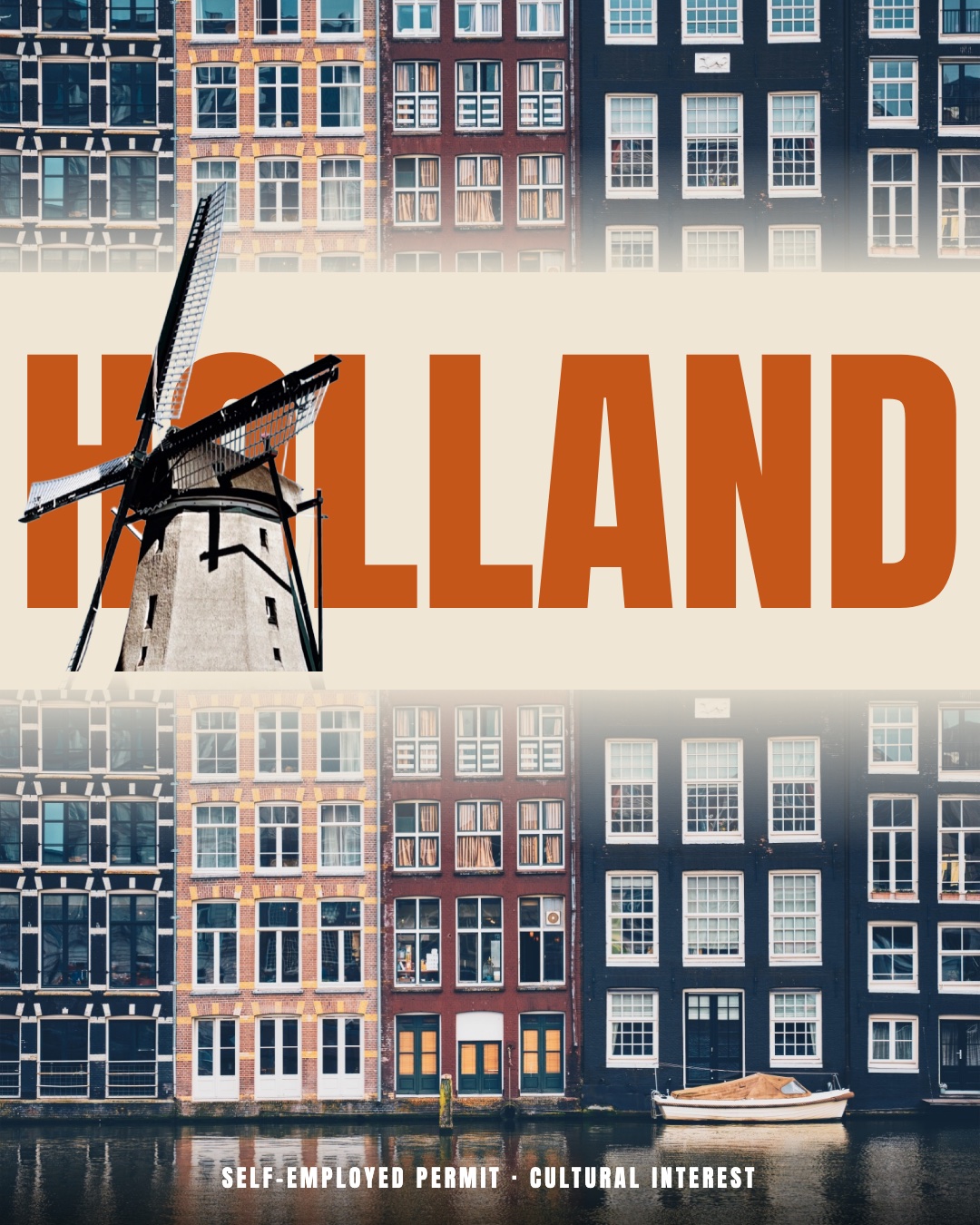
The Netherlands adds a twist. Its self-employed residence permit asks artists to prove their work serves a “Dutch cultural interest,” and the culture ministry advises the immigration service on each case. There’s a points test and a minimum income on top of that. One legal guide puts the 2026 application fee at about €1,446 for a first two-year permit, and an Amsterdam law firm reports decisions taking nine to ten months.
So in Europe the deal is roughly this: the door to residency is real, and you pay for it with paperwork, proof of income and a lot of waiting.
The UK and the US want proof you already made it
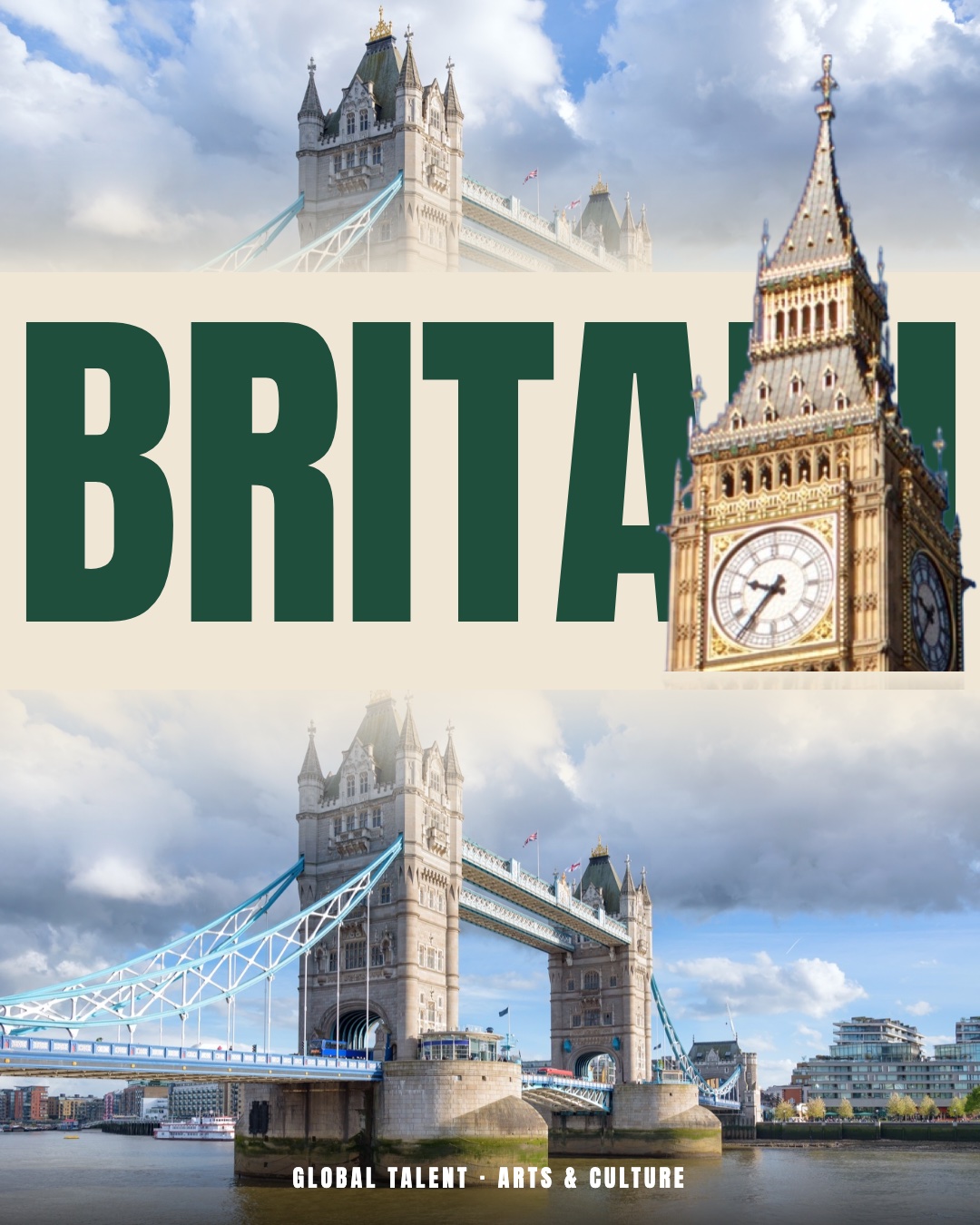
The UK Global Talent visa for arts and culture starts with an endorsement from Arts Council England. Most sources put that stage at £561, with the visa itself on top and a health surcharge of about £1,035 for every year you stay. Settlement can come after three to five years, depending on whether you’re endorsed as an established leader or as “exceptional promise.” Calling that cheap is generous.
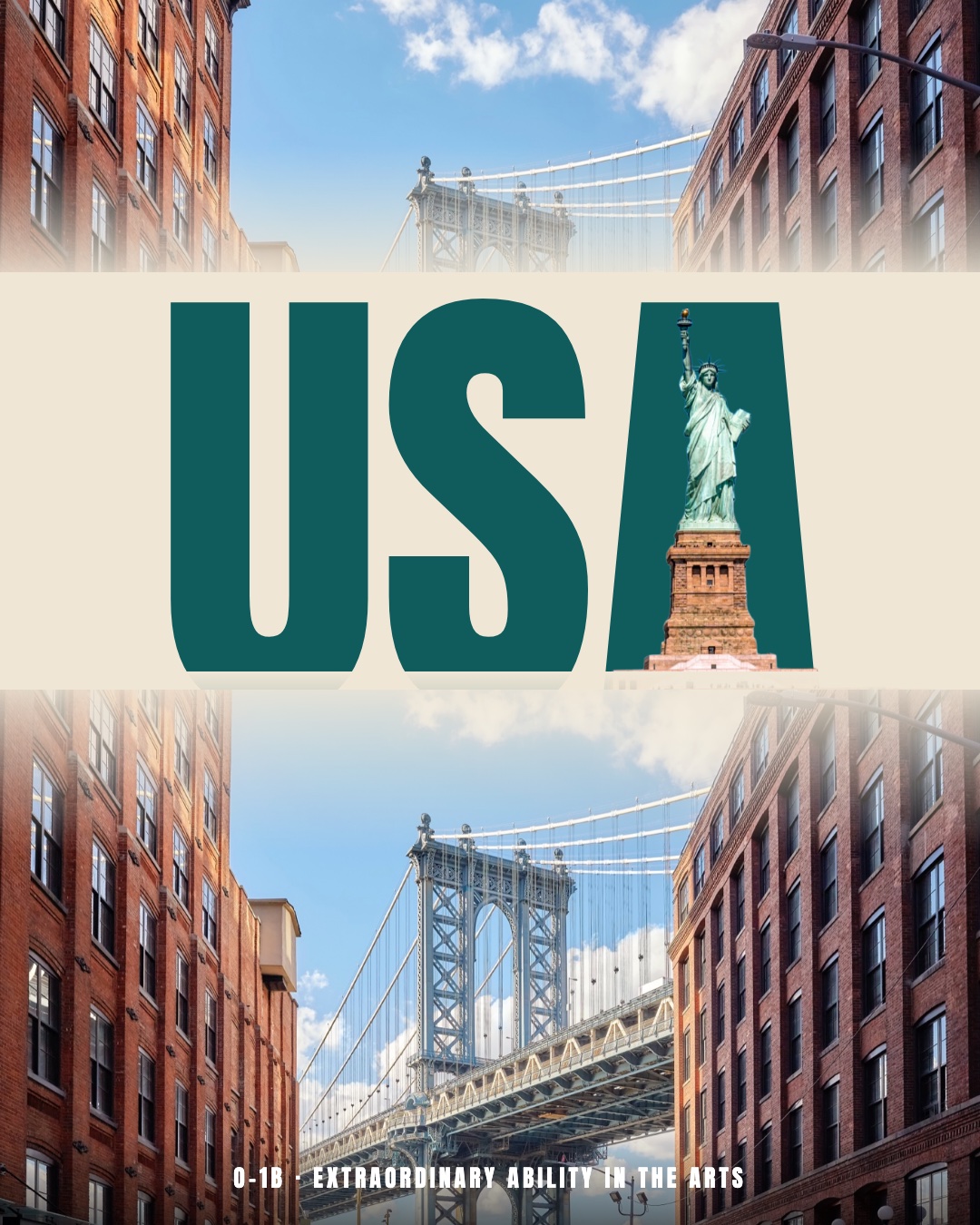
The US O-1B is the hardest door on the list. You need “extraordinary ability in the arts,” shown through at least three of six evidence criteria, a US sponsor or agent, and an advisory opinion from a union or peer group. Government fees alone run well past $1,000 before lawyers, and premium processing costs about $2,965. Plenty of O-1 holders later use it as a step toward a green card, which again cuts against the “leads nowhere” line.
Asia runs on contracts
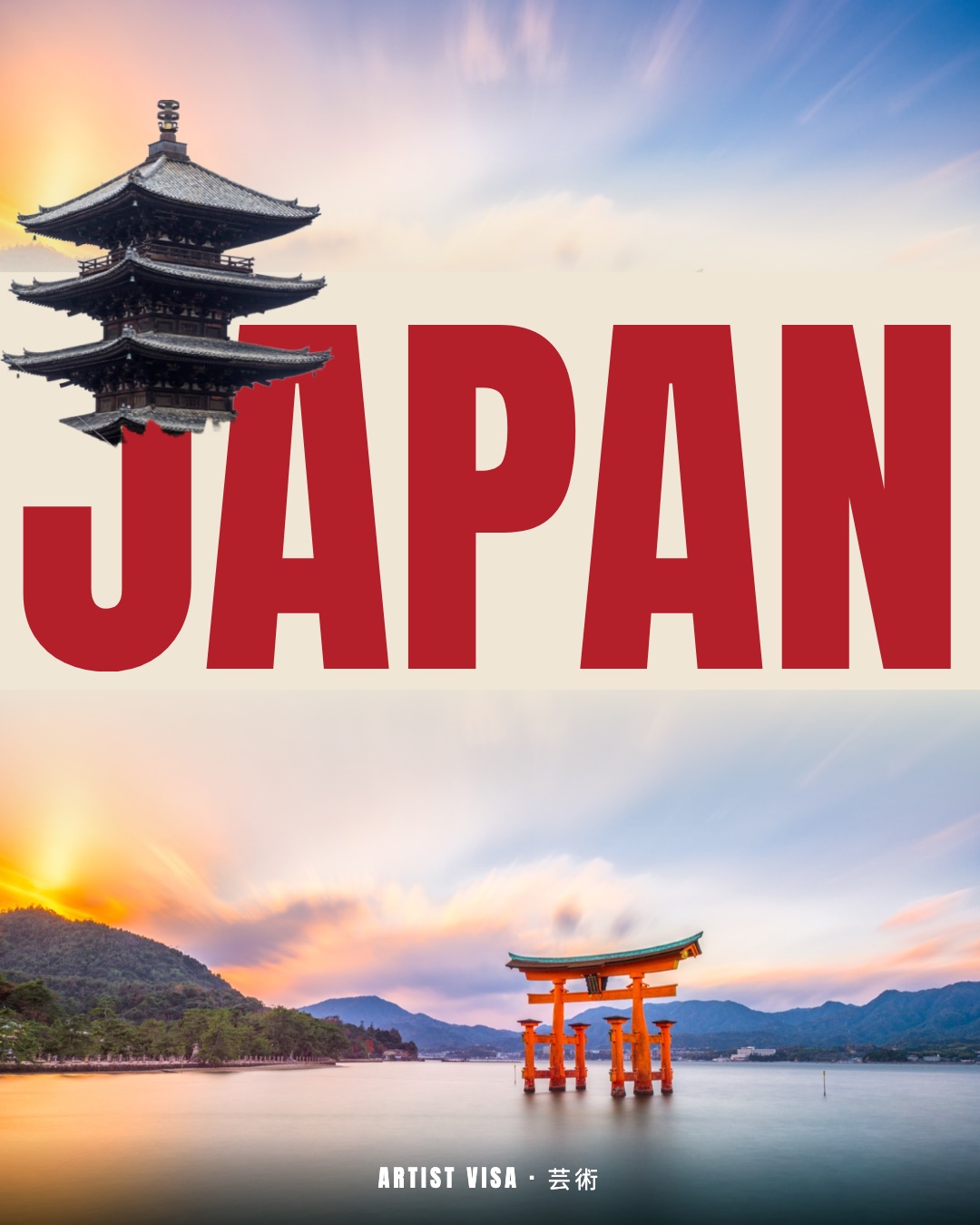
Japan’s Artist visa is for professional artists who earn a living from their practice in Japan. It’s issued for one to three years and can be renewed, and it doesn’t require a single employer contract. Japan’s separate “Cultural Activities” status is the one for people who want to study a traditional art without getting paid. That second one is probably what the Medium post had in mind, and it’s the one case where “leads nowhere” is roughly right.
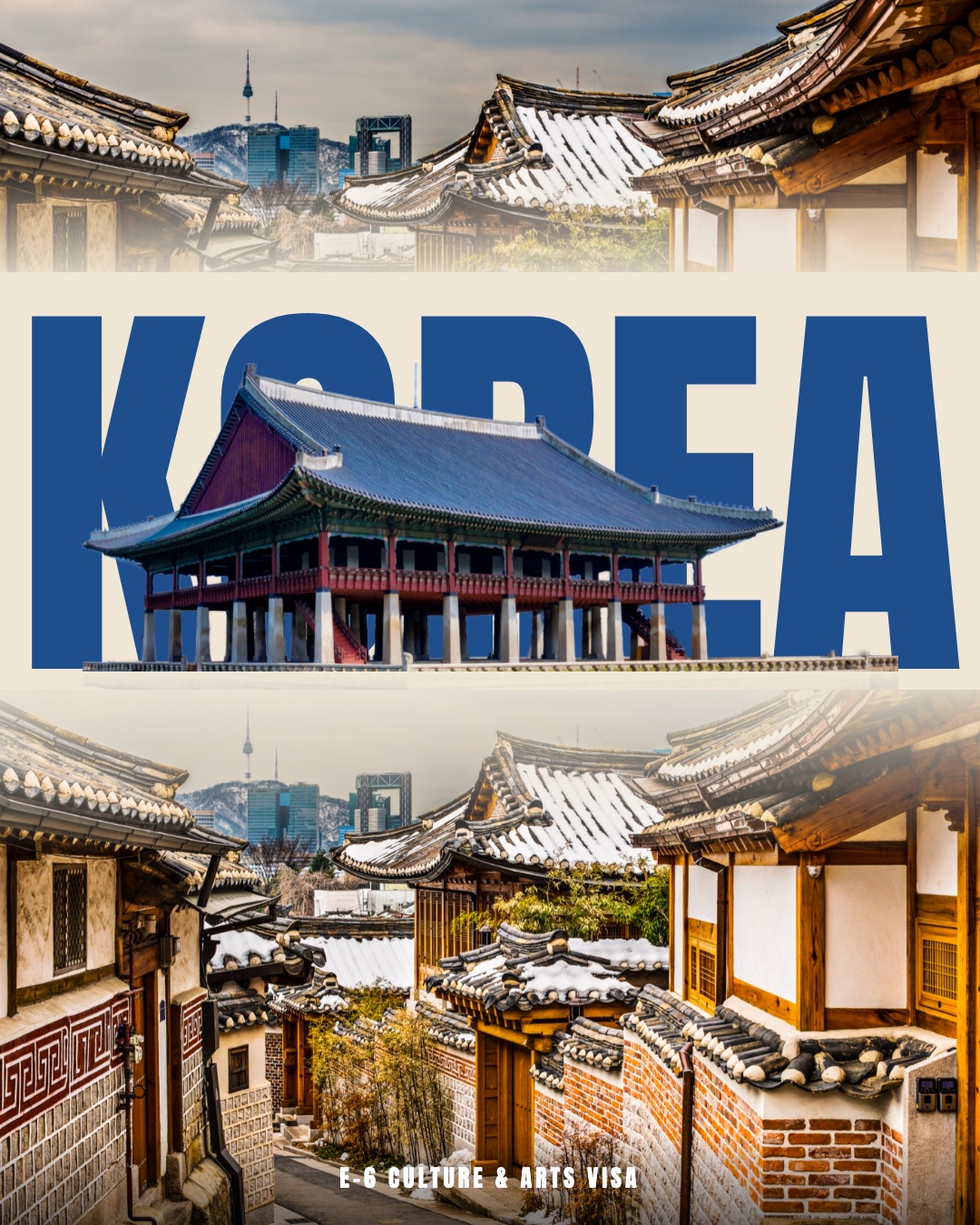
South Korea’s E-6 covers performers, broadcast talent and models. Every applicant needs a Korean sponsor, so there’s no way to apply on your own. It’s issued for one to two years and tied to the contract that got you in. This is the K-pop pipeline’s visa, and its terms belong to the company holding your contract.
Who this actually works for
The original list was pitched at the painter who wants to “fully immerse yourself” somewhere new. Look at the rules from that person’s chair and the picture flips. Every route above rewards something the struggling artist usually doesn’t have yet: steady income, a press file, a sponsor, a signed contract.
To be fair to the Medium post, I only read its opening, and its list may well include the narrow study and exchange statuses where “short stay, no residency” really is the deal. Rules and fees also change fast. Several numbers above come from law firms and consultants rather than governments, and they don’t always agree. Check the official immigration site before you spend a cent.
But the myth matters, because it tells artists the wrong thing in both directions. It undersells how far these routes can take you, and it oversells how easy it is to get in.
The doors are there. Most of them want to see your bank statement first.
Sources
- EasyStart: France talent passport income rule and portfolio requirements, 2026
- Touring Artists: why Germany has no dedicated artist visa
- Make it in Germany: German government portal on residence for artists
- IND (Dutch Immigration and Naturalisation Service): self-employed residence permit
- Law & More: Netherlands self-employment permit fees and terms, 2026
- Everaert Advocaten: processing times for self-employed artists
- Migrate UK: Global Talent fees, 2026
- DavidsonMorris: Global Talent endorsement and settlement timelines
- DavidsonMorris: O-1B evidence criteria
- Lehigh Valley Immigration Lawyers: O-1 fees and premium processing, 2026
- Shigyo Gyoseishoshi: Japan Artist visa guide
- japan-visa.com: Japan Artist visa terms
- KLawGuru: South Korea E-6 guide
- Greyson Ferguson, Medium: the post this piece responds to
Photos
- Featured image: Paris facade by travnikovstudio / Envato Elements; graphic by AIME 360
- France: Eiffel Tower by andreahast; Paris street by travnikovstudio / Envato Elements
- Germany: Brandenburg Gate by RossHelen; Berlin Cathedral by elxeneize / Envato Elements
- Netherlands: windmill by marshmallowbela; Damrak canal by Dmitry_Rukhlenko / Envato Elements
- UK: Big Ben by reinasmyth; Tower Bridge by mkos83 / Envato Elements
- US: Statue of Liberty by thananit_s; Manhattan Bridge by Maciejbledowski / Envato Elements
- Japan: Kyoto pagoda by leungchopan; Miyajima torii by SeanPavone / Envato Elements
- South Korea: Gyeonghoeru Pavilion by Dmitry_Rukhlenko; Seoul hanok neighborhood by SeanPavone / Envato Elements
- All collages by AIME 360. Stock photos, not taken for this story.