Entertainment
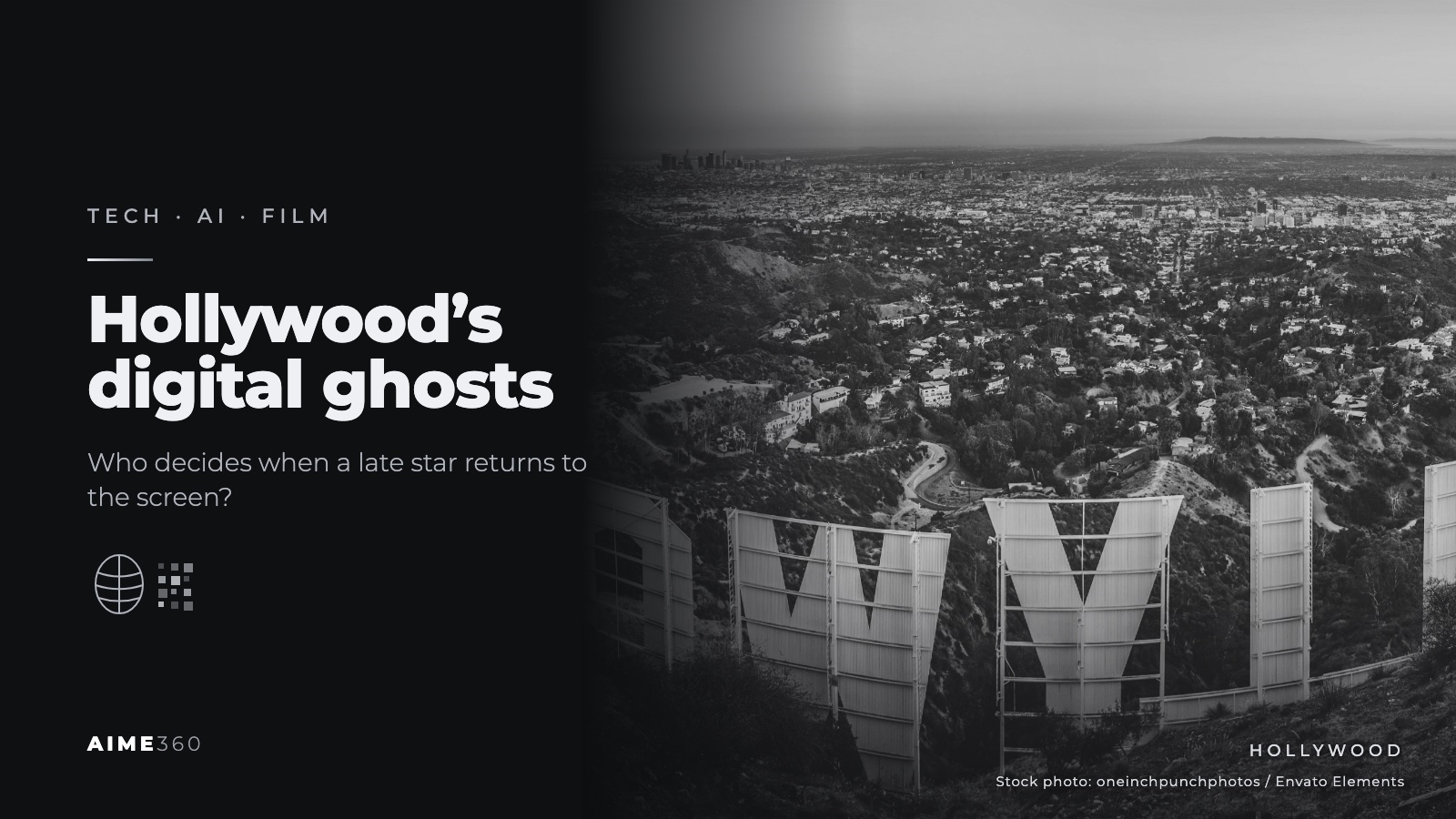
Hollywood’s digital ghosts: who gets to decide when a late star returns to the screen?
AI and CGI keep bringing late actors back to film. The technology is the easy part; consent is where the fight is.

Late actors keep showing up on screen again, and audiences are noticing. Roundups of Hollywood stars brought back after their deaths with AI and computer-generated imagery are now a regular feature of entertainment coverage, and they are a reminder that the technology has quietly moved from novelty to production tool, and that the harder questions are no longer technical.
From tribute to franchise asset
The early cases were framed as tributes or necessities. When Paul Walker died in 2013, partway through filming Furious 7, the production finished his scenes by having his brothers stand in on set and placing a digital recreation of his face over their performances.
Three years later, Rogue One: A Star Wars Story went further. Peter Cushing had died in 1994, but his character, Grand Moff Tarkin, was central to the story. Industrial Light & Magic built a computer-generated version of Cushing’s face and mapped it onto actor Guy Henry, who played the role on set. Cushing’s estate reportedly approved. Critics were split: some found it thrilling, others could not get past the uncanny result.
The backlash grew sharper in 2019, when the makers of the Vietnam War drama Finding Jack announced they would cast a digital James Dean, more than six decades after his death. Critics argued there was no unfinished performance to complete and no tribute to pay, only a famous face to sell.
The law is catching up
What has changed since then is the rulebook, at least in the two states that matter most to the entertainment business.
- California: AB 1836, in force since January 1, 2025, requires consent from a late performer’s estate before a digital replica of them can be used in a new performance. A companion law, AB 2602, protects living performers by voiding contract clauses that allow a digital replica without clearly describing how it will be used.
- New York: an amendment to Civil Rights Law section 50-f, effective December 11, 2025, requires heirs or executors to consent before a deceased person’s name, image or likeness, including a vocal or visual digital replica, is used commercially.
Protection is still uneven. Estimates from 2024 suggested only around half of U.S. states protect a performer’s likeness after death at all, and federal policy has leaned toward discouraging state AI rules rather than adding new ones.
Why it matters
The question is no longer whether a studio can convincingly bring back a late star. It can. The question is who signs off, who gets paid and whether audiences accept it. As digital replicas get cheaper to make, expect more of them, and expect the consent paperwork to matter as much as the visual effects.
Sources
- Engadget: Rogue One is a milestone (and warning sign) for CG resurrection
- InsideHook: Star Wars filmmakers resurrected Peter Cushing, but was it ethical?
- Looper: Actors who were brought back from the dead with CGI
- Fenwick: California’s new AI laws limit uses of digital likeness
- ABC7: California bill restricts AI replications of dead performers
- Lowenstein Sandler: New York digital replica law (PDF)
- Washington University School of Law: AI policy, intellectual property and publicity
Photos